

La version française est disponible.
Morgan Bell, Director of United Church Studies
In his now-classic Theologia: The Fragmentation and Unity of Theological Education, Ed Farley casts a vision of theology as primarily ‘sapiential knowledge’: a “personal and existential wisdom or understanding.” Theological education is not simply ‘book learning’ or content transmission. Neither, however, is a seminary a trade school passing along ‘hard’ skills to be ‘applied’ in ministry. The formation we pursue is more integrative. The grounded practical wisdom and thick formation Farley describes do not come from academic study alone, nor from ‘fieldwork’ or ‘hands-on learning.’ Rather, robust, formative, ever-deepening theological education emerges from a dynamic, interpretive swirl of Scripture, pastoral care, historical inquiry, communal worship, philology, personal crises, doctrinal assessment, and community lunches.
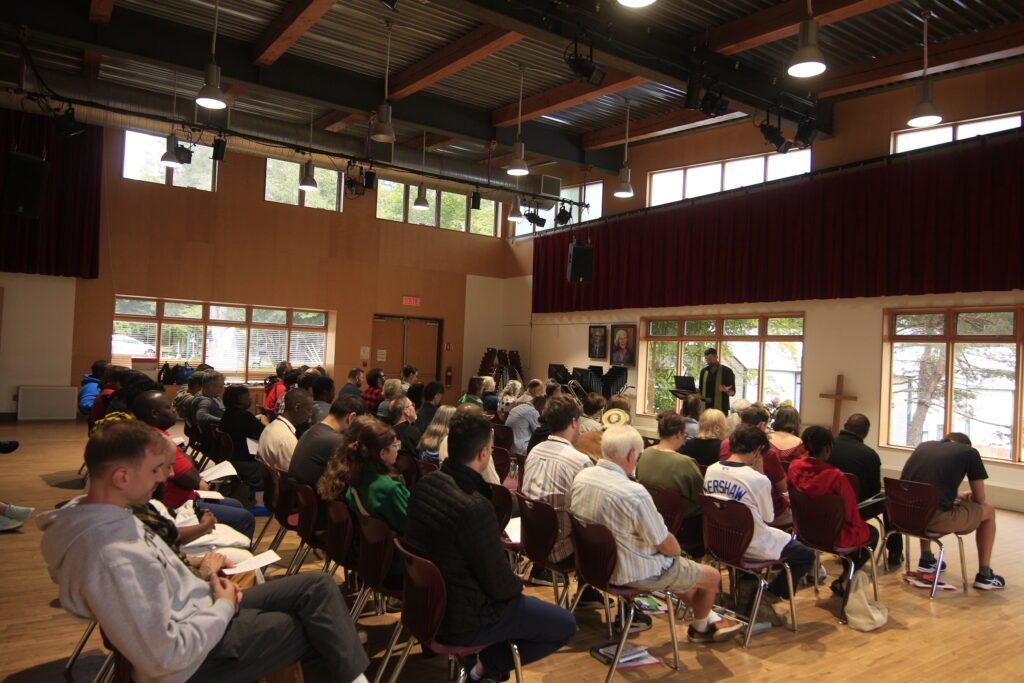
Over my first year on faculty, I have seen and been caught up in exactly this swirl at Montreal Diocesan Theological College and the Montreal School of Theology. I’ve witnessed the warp and weft of our school life together weave a rich tapestry like the one Farley envisaged, and each of our lives are part of the fabric. Students from across Canada and originating from many nations besides, from across ecclesial expressions and bearing a variety of stories, have all been drawn to this school by the Holy Spirit to be trained up in the one thing needful (Lk 10:42). They have been grafted into our life here to enrich our community and be conformed to Christ for the sake of his Church and the world.
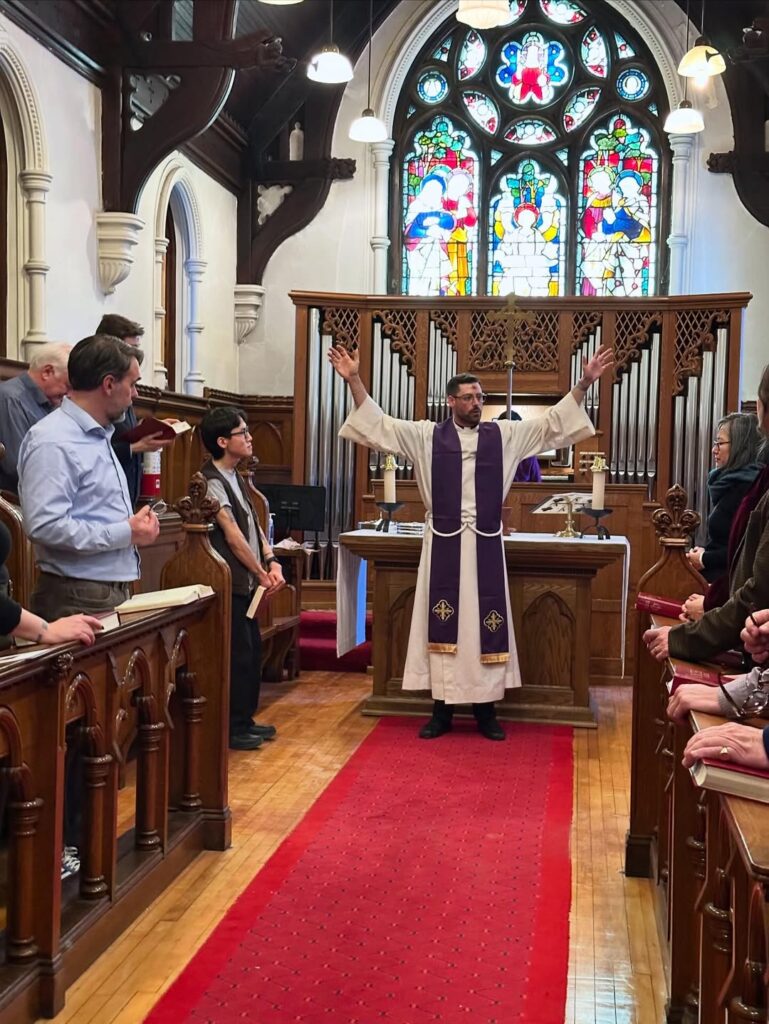
And as much as we faculty would like to think that the majority (or at least the most important parts) of that formation happens in our classrooms and our office hours, I have been continually astonished to see students deepen their sapiential knowledge in preaching and leading daily prayer, at conversations over breakfast on Friday mornings, in canoes on our retreat and on walks up rue University. But God delights in taking the disparate elements of our readings and our experiences and our questions and our encounters to bring about organic growth. If I can identify one thing that I anticipate more than all else in the coming year, it is that God will continue that creative, nurturing work in our community and beyond.
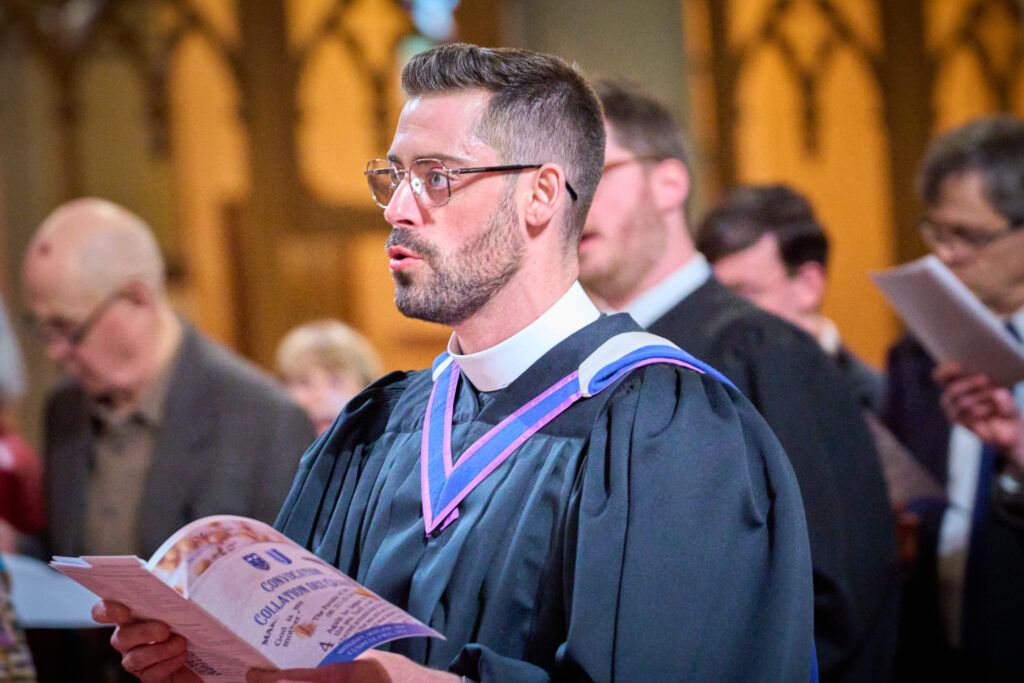
After convocation, a friend asked me if I feel sad having graduated “my” first batch of students. And the truth is I don’t: I have very little sense that we are launching students into the wider world and that they are somehow leaving us at Dio behind. Instead, I feel that through them, we at Dio are being drawn out of ourselves into the thick of daily life in Christ’s Church: that great School of all disciples. Our relationships as students, alumni, and faculty will not merely keep us personally connected; they will remain a means by which the ‘sapiential knowledge’ of theological education continues. I am confident that the Holy Spirit will continue weaving our lives together for the sake of the new Creation God is bringing about in Jesus Christ.